

 How to value a hotel in Scotland
Selling a pub in Scotland: freehold or leasehold
By Stuart Drysdale MRICS · · 10 min read
In short
How a freehold sale and a lease sale differ for a Scottish pub, and what changes for consent, the licence, staff and tax.
On this page
You can sell a Scottish pub as a freehold or on a lease. On a freehold sale, ownership passes by a disposition. The buyer has no real right of ownership until the disposition is registered in the Land Register. We sold the Jeanie Deans Pub as a leasehold premium sale. See our pubs for sale in Scotland.
Freehold or leasehold: what you are selling
This guide covers Scotland and is general information, not legal or tax advice; take advice from your solicitor and accountant on your own sale.
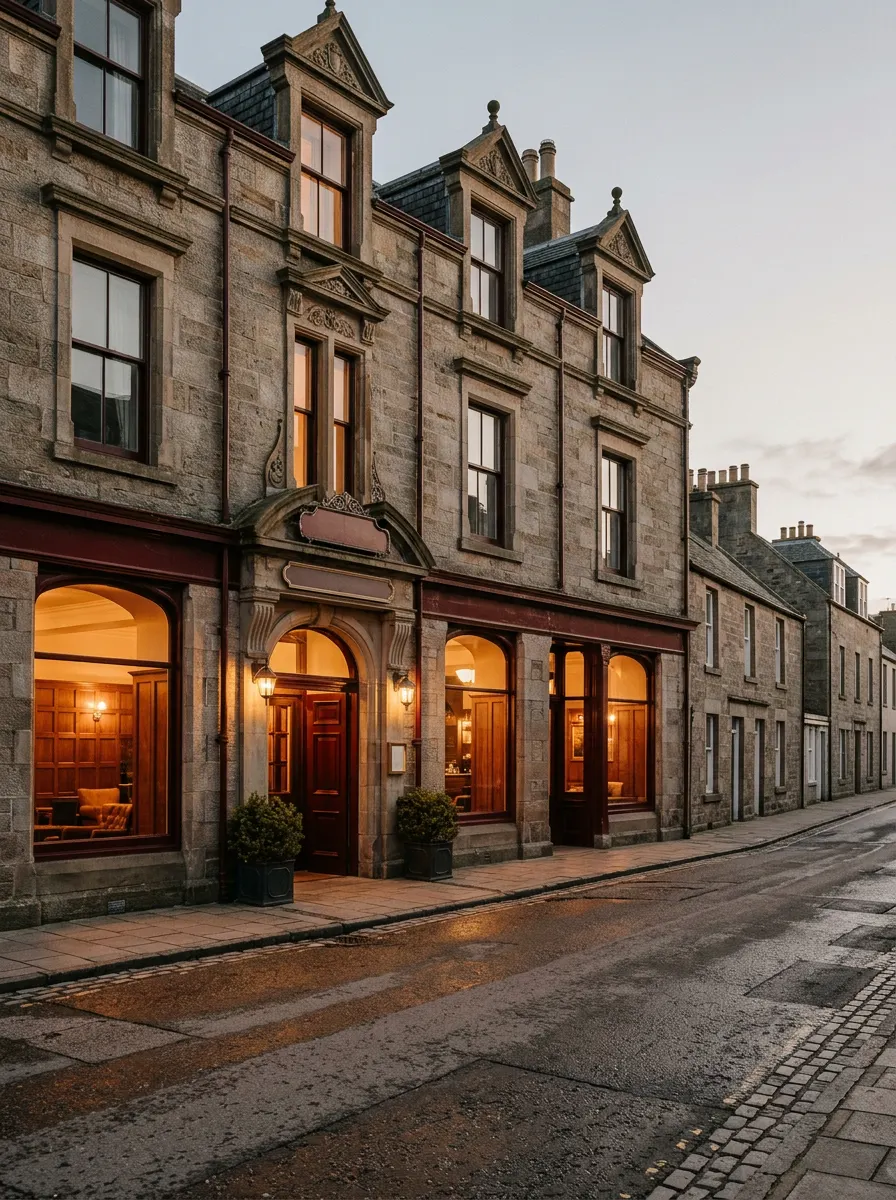
Take one Edinburgh building, 67 St Leonard's Hill, where we sold the Jeanie Deans Pub on a free of tie lease.
The freehold of the same building is for sale with us now. The 67 St Leonard's Hill freehold is at offers over £195,000 + VAT, instructed by the landlord. It has vacant possession when the tenant's lease ends in January 2027. The sale is for the property only, with no business or goodwill.
Decide what you are selling before you set a price: the building only, the building with the trading business, or the lease. The pub lease in the same building sold for a premium. The freehold is now for sale. Each route has a different buyer and value.
PointFreehold, property onlyFreehold, with the businessLeasehold premium
What the buyer getsFreehold, property onlyThe heritable title, with no business or goodwillFreehold, with the businessThe building plus the trade inventory and licencesLeasehold premiumThe tenant's lease, for a premium
Landlord consentFreehold, property onlyYou hold the title; ask your solicitor about any leaseFreehold, with the businessYou hold the title; ask your solicitor about any leaseLeasehold premiumLease wording decides
StaffFreehold, property onlyTUPE does not ordinarily apply where only assets transferFreehold, with the businessTUPE can apply; jobs usually transferLeasehold premiumDepends on whether the business is sold
Buyer's LBTTFreehold, property only0% to 5% above £250,000 (as shown 8 May 2026)Freehold, with the businessSame bandsLeasehold premiumSame bands; nil rate band on assignation, not on a new lease at £1,000 rent or more
VATFreehold, property onlyOur listing is quoted plus VAT; ask your accountantFreehold, with the businessGenerally none as a going concern, subject to conditionsLeasehold premiumAsk your accountant
Selling the freehold: three routes
RICS says freehold and leasehold interests in licensed properties are freely bought and sold, as fully equipped operational entities with vacant possession or as investments. If your pub has letting rooms, our guide to selling a guest house in Scotland also applies.
Route one is an investment sale. We sold the Leith Walk pub investment in Edinburgh, a freehold let to experienced tenants in the Edinburgh pub sector, with the business not for sale.
If your tenant is trading and staying, you can sell the freehold with the business not for sale. Ask your solicitor what the sale means for the lease.
Route two is property only. For a capital valuation, particularly of the freehold, RICS says a valuer may need to consider whether a higher value might prevail under alternative use.
Route three is the business and the building together. RICS says valuing a pub as a fully equipped operational entity assumes the trade inventory and licences needed to continue trading go with it.
Our listing for The White Stag Inn in Strathyre, Stirling, said all furniture, fixtures and fittings were included in the price. Personal items in the owner's apartment were excluded.
If you sell the business with the building, list what is included before you market it: licence, furniture, fixtures, fittings and stock. Say what the owner keeps, as that listing did.
Freehold pubs for sale with us on 14 November 2026:
- 67 St Leonard's Hill, Edinburgh (offers over £195,000 + VAT)
- The Bruce Inn, Falkland ("Freehold Sale - asking OFFERS OVER £495,000")
- The former Clipper, Dumbarton ("For Sale - Freehold £295,000")
Selling a leasehold pub: landlord consent
A Law Society of Scotland journal article describes the norm in commercial leases as reasonable consent for assignation of the whole. It is undated and describes drafting practice.
A Law Society of Scotland blog says the Scots standard commercial leases make consent subject to reasonableness unless the lease says otherwise. That covers the standard leases, not every lease.
A second journal article notes that landlord's consent is sometimes not needed for an assignation.
Read your own lease, including the assignation clause, with your solicitor before you market the pub. Ask what conditions your landlord can set on consent.
Tied or free of tie
Jeanie Deans was offered on a free of tie lease, which the listing described as "complete buying power regarding beer supply". Its licensed capacity was 60.
The England and Wales Pubs Code legislation defines a tied pub. The tenant must buy some or all of its alcohol from the landlord or a nominated supplier. Sections 67 to 70 of the Small Business, Enterprise and Employment Act 2015 apply to England and Wales.
Scotland has its own code, the Scottish Pubs Code Regulations 2024, regulated by the Scottish Pubs Code Adjudicator, according to RICS.
State the lease terms a buyer is taking on, including tie, licensed capacity and repair terms. The Jeanie Deans listing stated the tie and the capacity.
A valuer reads each lease on its terms. Your solicitor can tell you whether your lease is tied.
How is a pub valued for sale?
RICS says that in many cases the value of a licensed property is determined by reference to trading potential.
RICS defines fair maintainable operating profit as the profit a reasonably efficient operator would expect from the fair maintainable turnover. It is stated before depreciation and finance costs, and before rent if leasehold.
Valuers usually ask for at least the last 3 years' accounts, and build the profit figure from them, adjusted to a reasonably efficient operator.
Our adjustments strip out the owner's items, charge a market wage for management, normalise payroll, allow for repairs and renewals and remove abnormal years. Our guide on how we value hospitality property sets out the method.
Our White Stag Inn listing said the pub was operated by its owners and that additional staffing was required for seven-day trading. If you work your pub yourself, show a buyer what your own hours do and what a manager would cost.
Premises licence and staff
A premises licence holder applies to the Licensing Board to transfer the licence.
Section 34 of the Licensing (Scotland) Act 2005 gives a person other than the holder 28 days from a listed event, including transfer of the business, to apply to transfer the licence. Check the time limit with your own licensing board.
When TUPE applies, gov.uk says employees' jobs usually transfer to the new owner.
The BIS guide to the TUPE Regulations (June 2009) says they do not ordinarily apply where only assets, not employees, are transferred. It adds that employees not being taken on does not by itself stop TUPE applying.
On a business sale, the premises licence and staff pass to the buyer on the date of entry, and stock is counted.
Whether TUPE applies depends on what is sold. Ask your solicitor early, and say in the missives what is sold: building only, or building and business.
Tax the buyer pays: LBTT and VAT
Revenue Scotland's non-residential LBTT bands, as shown on 8 May 2026, are 0% up to £150,000, 1% from £150,000 to £250,000 and 5% above £250,000.
The rules differ for an assignation and the grant of a new lease. On an assignation, the incoming tenant files an LBTT return where the premium is notifiable. Revenue Scotland says the nil rate band is available for that return.
On the grant of a new lease, where the relevant rent is at least £1,000 a year, the nil rate band does not apply to the premium. That page is dated 6 February 2020, so check the figure with your solicitor.
HMRC says selling assets as part of a going concern generally means no VAT is chargeable, subject to conditions. Where the seller has opted to tax the building, the buyer must also opt to tax and notify HMRC where required, or VAT applies to the property transfer.
Our 67 St Leonard's Hill listing is a property-only sale quoted plus VAT, so a seller in that position takes their accountant's advice on VAT.
Tax you pay as the seller
Business Asset Disposal Relief means Capital Gains Tax at 18% on qualifying gains on disposals from 6 April 2026 (gov.uk, checked 14 November 2026).
The relief is subject to a lifetime limit of £1 million of qualifying gains, as shown on 29 October 2026. The limit is announced to fall to £500,000 for qualifying disposals on or after 6 April 2027, with legislation to follow.
Sole traders and partners selling a business must have owned it for at least 2 years up to the date of sale to claim the relief.
If you sell shares, the company's main activities must be trading rather than investment, among other conditions.
Most sales take 6 to 9 months. A pub you start selling now would usually complete after 6 April 2027, when the lifetime limit is due to fall. Ask your accountant which date counts.
If you own only the building and let it to an operator, whether the relief applies is a question for your accountant. We do not cover it here. Take tax advice before you agree a price.
What we need from you and how long it takes
Most sales take 6 to 9 months, about 3 at the fastest.
Stuart has carried out more than 1,000 RICS Red Book valuations. He valued hotels, pubs and guest houses for ten years before selling them.
See how we sell a hospitality business and the properties we have sold. The valuation is free, with no obligation.
Book a free valuation or Talk to Stuart.
Drafted with AI help, then checked and approved by Stuart Drysdale MRICS.
Questions owners ask
Can I sell my pub if I only lease it?
Yes, as a lease sale for a premium, as we did with the Jeanie Deans Pub. Your lease wording decides whether consent is needed. See our pubs for sale in Scotland.
Do I need my landlord's consent to assign my pub lease?
A Law Society of Scotland journal article describes reasonable consent as the norm. The Scottish standard leases from the Property Standardisation Group make consent subject to reasonableness unless the lease states otherwise. Read your lease with your solicitor.
Does being tied or free of tie change a sale?
It changes the lease a buyer takes on. Jeanie Deans was offered free of tie, with "complete buying power regarding beer supply". In England and Wales, a tied tenant must buy some or all of its alcohol from the landlord or a nominated supplier.
Does the Pubs Code apply in Scotland?
The Pubs Code legislation in the Small Business, Enterprise and Employment Act 2015 is marked as applying to England and Wales. Scotland has its own code, the Scottish Pubs Code Regulations 2024, according to RICS.
What happens to my premises licence when I sell?
A premises licence holder applies to the Licensing Board to transfer the licence. The Licensing (Scotland) Act 2005 allows another person 28 days from a listed event, including transfer of the business.
What happens to my staff when I sell?
It depends on what is sold. When TUPE applies, gov.uk says employees' jobs usually transfer to the new owner. A 2009 BIS guide says TUPE does not ordinarily apply where only assets transfer.
What tax will I pay when I sell my pub?
Business Asset Disposal Relief means Capital Gains Tax at 18% on qualifying gains from 6 April 2026. The £1 million lifetime limit is announced to fall to £500,000 from 6 April 2027. Ask your accountant.

Director and Chartered Surveyor, with 23 years in hospitality property and 120+ hotel and hospitality businesses sold.
About StuartRelated guides
How to value a hotel in Scotland Selling a guesthouse in Scotland
 What buyers look for in a Scottish hotel
What is your business worth?
Stuart will tell you, for free. A realistic figure, no obligation, and nothing shared without your say-so.