

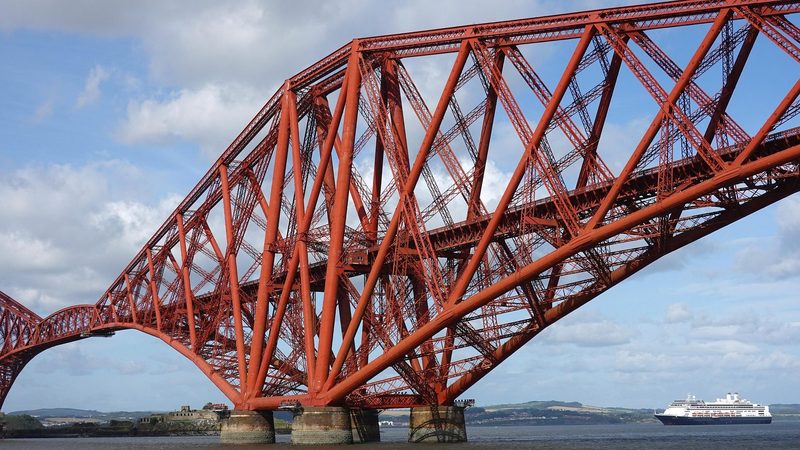
 How to value a hotel in Scotland
What buyers look for in a Scottish hotel
By Stuart Drysdale MRICS · November 2026 · 5 min read
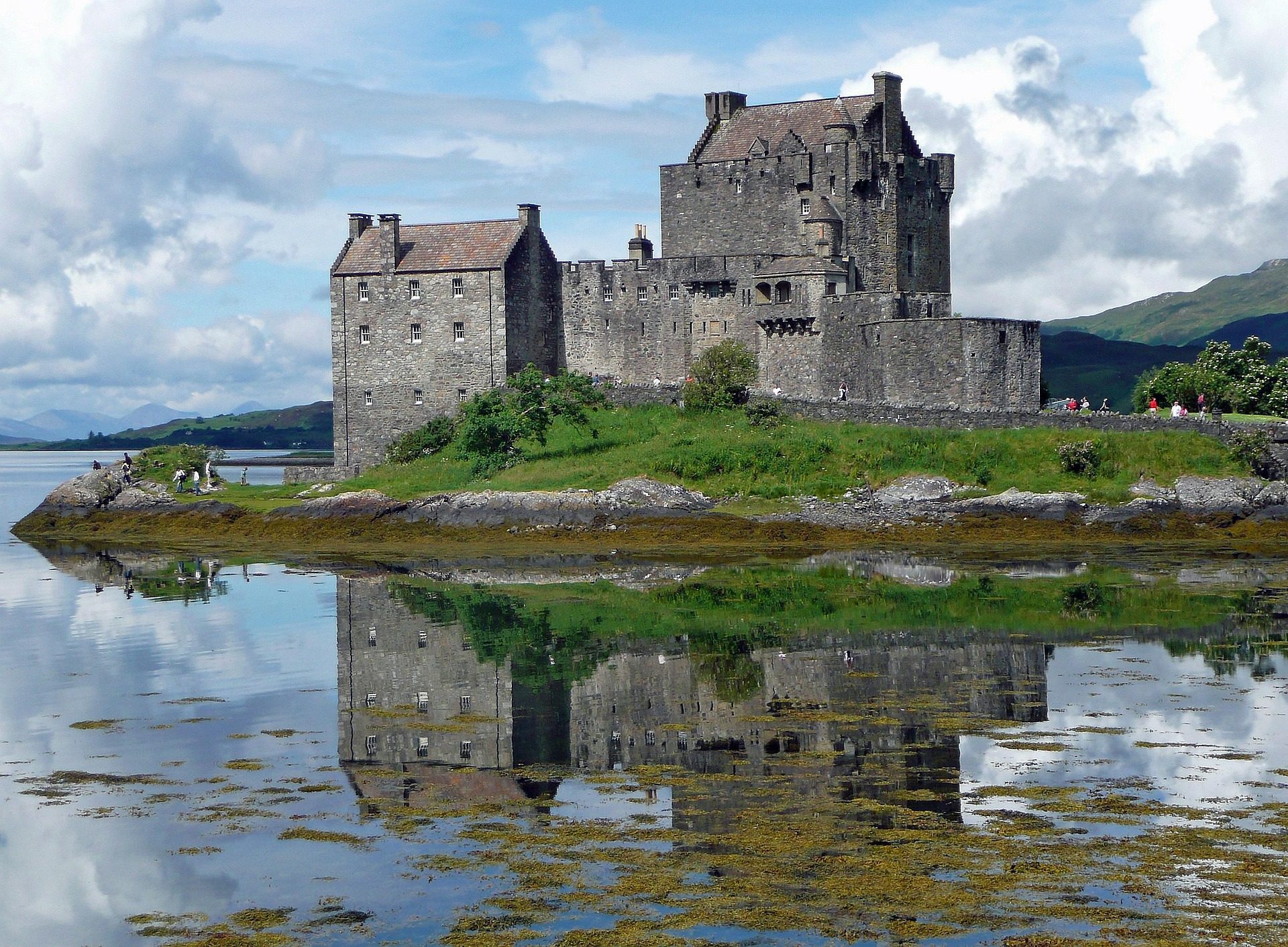
In short
The questions buyers ask first.
On this page
Buyers of Scottish hotels generally want three things:
- a location guests will travel to,
- trading figures they can trust,
- a building that doesn't require massive expenditure on top of the purchase price
The buyer pool is wider than many owners expect. It includes first-time owner-operators making a lifestyle move, experienced hoteliers adding to a portfolio, investors, and buyers looking at alternative uses. Each weighs the same factors differently, but they all ask similar questions. Here is what they look at, and how sellers can be ready.
Location and setting
Location is the one thing a new owner cannot change, so buyers judge it first. They look for:
- A reason to visit: a loch or sea view, hills, golf, distilleries, walking and cycling routes, or a town with year-round business.
- Access: road links, rail, ferry routes and journey times from the Central Belt and airports. On the islands, ferry reliability matters to guests and to the owner running supplies.
- Season length: a hotel on a touring route or with a local trade base can trade beyond the summer. Buyers will ask how long the season really is.
- Local competition and demand: what else is nearby, and whether the area is gaining or losing visitors.
A strong setting carries a lot of weight in the photographs and the brochure. It often decides whether a buyer books a viewing at all. Aerial photography and drone shots of the hotel are important but the surrounding area gives a buyer who may not be familiar with the area a better picture of the location.
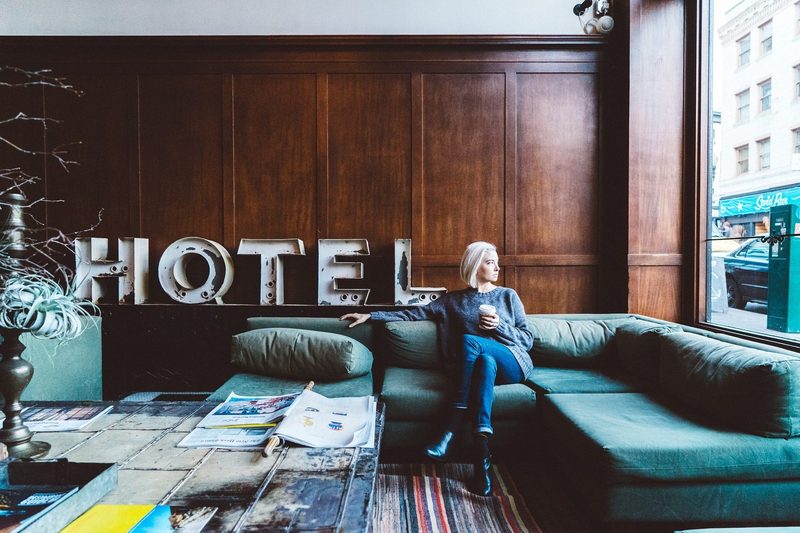
Trading performance
For most buyers, and every lender, the price has to be backed by the numbers. Expect questions on:
- Accounts: at least three years, ideally with up-to-date management accounts. Buyers look for a steady or rising trend and can explain away one bad year, but not three.
- Profitability: the figure buyers care about is usually EBITDA, adjusted for the owner's personal costs and any one-off items. Clear, honest adjustments build trust. Inflated ones destroy it.
- Room performance: occupancy, average daily rate (ADR) and revenue per available room (RevPAR), ideally by month to show seasonality.
- Income mix: the split between rooms, food, bar, weddings, functions and local trade. A healthy local bar and restaurant trade can steady a seasonal business.
- Bookings and channels: forward bookings, the share coming direct against through online travel agents, commission costs, and review scores.
- Costs: wages, energy, insurance and food costs as a percentage of turnover.
Gaps or inconsistent records are a common reason buyers lower their offer or walk away. Clean, well-presented figures are worth preparing well before going to market. If we can prepare a data room for buyers they can take their time and review all of this important information without having to be emailed information in a piecemeal fashion. Put yourself in a buyer's mindset, what would be more attractive, a business with limited information available on trading analytics or a business that can demonstrate excellent record keeping and compliance?
The building, condition and compliance
Many Scottish hotels are older or traditional buildings, sometimes listed. Buyers, and their surveyors, will want to know what money needs spending and when.
- Condition: roofs, windows, damp, heating systems and hot water. Recent investment, with invoices, reassures buyers.
- Bedrooms: en-suite bathrooms throughout, a sensible mix of room types, and a standard that matches the price. Rooms needing refurbishment are priced in.
- Energy: heating type, insulation and the EPC rating. Energy costs and future efficiency rules weigh heavily on older buildings.
- Compliance: an up-to-date fire risk assessment and fire safety systems, gas and electrical certificates, food hygiene records, and a premises licence under the Licensing (Scotland) Act 2005 if alcohol is sold.
- Title: freehold or leasehold, clear boundaries, parking, access rights and any planning history.
A buyer who finds a surprise in the survey will use it to renegotiate. Sellers are better off knowing first.
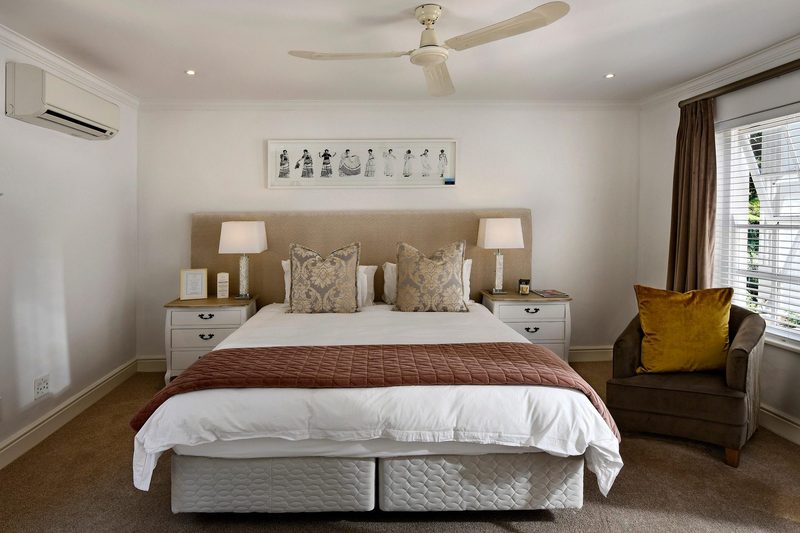
Pre-sale condition report
We can recommend a building surveyor who can provide a pre-sale condition report so that you are fully prepared for factoring repair or maintenance costs into an asking price or offer. Our recommended partner would provide this service at 50% upfront cost with 50% paid on a completed sale, to assist with reducing upfront costs. A buyer seeing this report would be seriously impressed with the transparency and openness which would possibly put your hotel ahead of others they are considering that don't have this information.
Living, staffing and potential
Owners' and staff accommodation
For a lifestyle buyer, the owners' accommodation is their future home. Separate, private and comfortable living space is a real selling point. In rural and island locations, staff accommodation can matter just as much, because recruiting staff without it can be very hard.
The team
Buyers want to understand who runs the hotel day to day: key staff, their roles and how long they have been there. Staff usually transfer to the new owner under TUPE, so buyers will ask about contracts, wages and any issues. A reliable team that stays makes the handover far easier.
Room to grow
Most buyers want to see where they can add value. That might be unused rooms or outbuildings, a longer season, a restaurant open to non-residents, weddings and events, better direct bookings, or planning permission for extra letting rooms or lodges. Showing the upside, without overselling it, gives a buyer a reason to pay the asking price.
How sellers can prepare
The best sales are prepared months before the property reaches the market. Owners can help themselves by:
- Getting three years of accounts and current management figures in order.
- Gathering occupancy, ADR and booking data, ideally by month.
- Collecting certificates, licences, the fire risk assessment and invoices for recent works.
- Fixing small maintenance issues that a buyer or surveyor will notice.
- Listing what is included in the sale and what is personal.
- Being realistic about price, based on trading and comparable sales.
A well-prepared hotel sells with fewer surprises, fewer renegotiations and a smoother path to completion.

Director and Chartered Surveyor, with 23 years in hospitality property and 120+ hotel and hospitality businesses sold.
About StuartRelated guides
How to value a hotel in Scotland Selling a guesthouse in Scotland
What is your business worth?
Stuart will tell you, for free. A realistic figure, no obligation, and nothing shared without your say-so.