

 How to value a hotel in Scotland
Selling a guesthouse in Scotland
By Stuart Drysdale MRICS · November 2026 · 5 min read

In short
Each step of a guesthouse sale, in order.
On this page
Selling a guesthouse is not like selling a house. You are selling a home, a building and a business at the same time, often to a buyer who is changing their whole life to take it on. Here is how we take an owner from the first phone call to the day the keys change hands.
The first call
Most sales start with a quiet phone call. The owner is often testing the water: what is it worth, who buys guesthouses now, how long will it take, and can it be kept confidential from staff and regular guests?
On that call we listen more than we talk. We want to know why they are selling, their timescale, whether they own the freehold, how many letting rooms there are, how the owners' accommodation is laid out, and roughly how the business trades. We agree a date to visit and send a short list of what to have ready: recent accounts, occupancy records, licences and certificates.
Meeting at the property
The visit is where the sale is really built. We walk every room, outbuilding and boundary with the owner and take detailed notes as we go. Our checklist covers:
- Title and tenure: freehold or leasehold, title plan, rights of access, parking, any shared ground.
- Accommodation: number and type of letting rooms, en-suites, accessible rooms, owners' or staff accommodation, public rooms, kitchen and laundry.
- Condition: roof, windows, heating and hot water, fire doors, alarms and recent upgrades.
- Compliance: fire risk assessment, gas and electrical certificates, EPC, any premises licence for alcohol, and the property's position under Scotland's short-term let licensing rules.
- Trading: accounts for the last three years, occupancy records, booking systems, websites and channel managers, staff and forward bookings.
- What's included: fixtures, fittings, furniture and equipment, goodwill, domain names and social accounts.
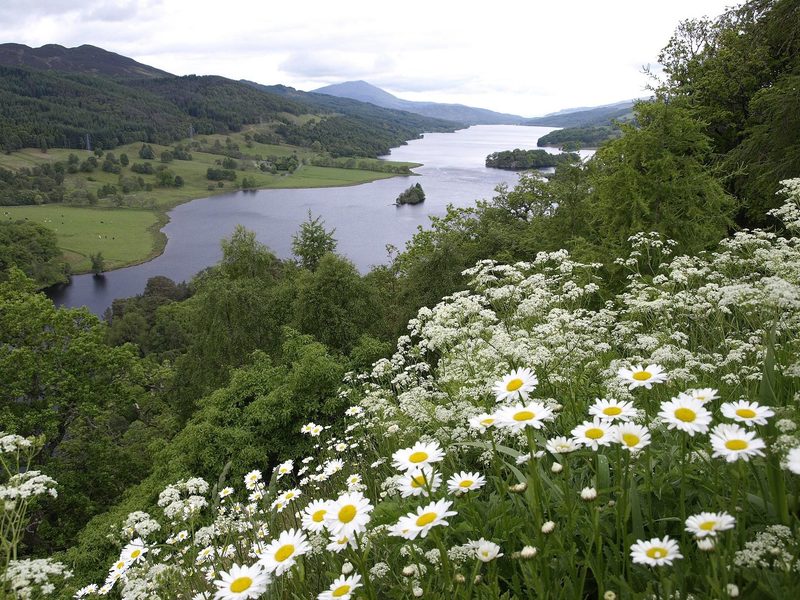
We also note what makes the place special: the view, the walks from the door, the breakfast guests write about. Those details sell guesthouses.
Preparing the sale

Staging
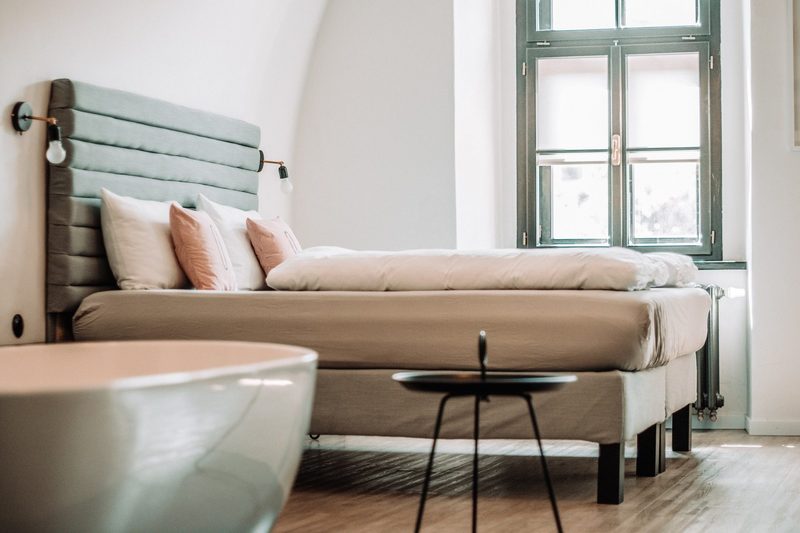
Beds made with crisp linen, clutter cleared from reception, breakfast tables laid, owners' private rooms tidied. Small fixes, like a touched-up doorframe or a replaced bulb, cost little and show care.
Photography and floorplans
Photos are taken on a bright day, ideally when the guesthouse is quiet. If you have had professional photography provided for your website we are happy to use these. Alternatively we use a third party professional property marketing company who can shoot the exterior, setting and views first, then every room type, the public areas and the owners' accommodation. Drone shots work well in rural and coastal locations. Measured floorplans let a buyer picture how they would live and work in the building, which is often the question that matters most to them. This is an upfront cost and can be in the region of £500-£1000 depending on location and size of your property.
Trading information and KPIs
Buyers and their lenders want evidence. We present the accounts alongside the key accommodation measures:
- Occupancy: room occupancy and, where relevant, bed or sleeper occupancy, by month.
- ADR (average daily rate): room revenue divided by rooms sold.
- RevPAR (revenue per available room): room revenue divided by rooms available.
- Seasonality: opening months and how trade spreads across the year.
- Channel mix: direct bookings against online travel agents, and the commission paid.
- Guest profile: average length of stay, repeat guests, review scores.
- Other income: dinners, packed lunches, bar sales.
We also flag upside. A guesthouse run part of the year, or without evening meals, can show a buyer where they could grow the business.
Going to market
With a sales brochure approved by the owner, we launch across the channels where guesthouse buyers actually look:
- Rightmove Commercial for business and investment buyers.
- Rightmove Residential to reach lifestyle buyers, who often find a guesthouse while searching for a home.
- UK Businesses For Sale for buyers searching specifically for a going concern.
- Nova Loca and LoopNet for wider commercial and investor reach.
We add editorial coverage in local and national press, where a good story about a well-loved guesthouse can reach buyers who were not yet searching. Local business Facebook pages and our own social channels spread the word further, along with direct contact with buyers already registered with us.
Where the owner needs discretion, we can market confidentially instead, sharing details only with vetted buyers who sign a non-disclosure agreement.
Enquiries and viewings
We handle every enquiry ourselves, so the owner can keep running the business. Each buyer is qualified early: their funding, whether they need a mortgage, their experience in hospitality, and their timescale.
Viewings are arranged around guests, often in quieter hours or on changeover days. We accompany every viewing, then follow up promptly with the questions buyers always ask: why the owners are selling, how bookings are made, what the staffing looks like, what needs spending in the next few years. Where we need the owner's input, we gather it and reply in writing, so every buyer gets clear and consistent information.
Offers, negotiation and heads of terms
When interest builds, we may set a closing date so all parties offer at the same time. Price is only part of an offer. We weigh the buyer's funding, any conditions such as finance or survey, the proposed entry date, and how they plan to treat staff and forward bookings.
We negotiate on the owner's behalf until a deal is agreed, then set it out in heads of terms. These record the price, what is included, the entry date, how deposits for future bookings and stock will be handled, and any conditions. Only then do we introduce the solicitors on both sides, so they start from an agreed position rather than negotiating the deal again.
Missives and completion
In Scotland, the contract is formed through an exchange of letters between solicitors, known as missives. This is where most delays happen: title queries, lender requirements, licence transfers, staff transfers under TUPE, and questions about equipment or bookings.
We stay involved throughout. We keep in regular contact with the buyer, the seller, both solicitors and any lender or surveyor, and chase each open point until it is answered. Our job is to keep momentum and solve problems before they become reasons to walk away.
Once missives are concluded, the deal is binding. On the date of entry, funds are transferred, stock is counted, keys are handed over and the new owners welcome their first guests.

Director and Chartered Surveyor, with 23 years in hospitality property and 120+ hotel and hospitality businesses sold.
About StuartRelated guides
How to value a hotel in Scotland What buyers look for in a Scottish hotel
What is your business worth?
Stuart will tell you, for free. A realistic figure, no obligation, and nothing shared without your say-so.